
6 Advantages of Using Aluminum Cladding For Buildings
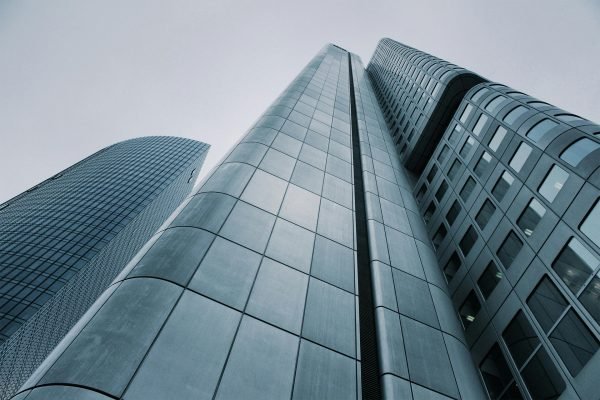
Aluminum cladding is a smart choice for modern architecture-delivering durability, beauty, energy efficiency, ease of installation, and sustainability. From classic brick replacements to high-tech facades, it adapts to many styles. Its recyclable nature, low maintenance, and thermal performance make it both a green and cost-effective solution. Its recyclable nature, low maintenance, and thermal performance make it both a green and cost-effective solution. When designed and installed correctly, aluminum cladding enhances building When designed and installed correctly, aluminum cladding enhances building longevity, safety, and visual appeal while minimizing long-term expenses.
- Durability and Weather Resistance
Aluminum cladding is renowned for its ability to withstand harsh weather conditions. It forms a natural oxide layer that resists rust and corrosion, and It forms a natural oxide layer that resists rust and corrosion, and many panels come with UV-resistant coatings to maintain color integrity for decades. Ideal for coastal or extreme climates, aluminum panels require minimal upkeep and deliver long-term protection. - Lightweight & Easy Installation
One of its greatest strengths is its lightweight nature-up to ⅓ lighter than steel-which greatly reduces the structural load. This makes transportation and installation faster and more cost-effective, benefiting both new builds and retrofits. - Cost Efficiency & Low Maintenance
Beyond competitive upfront costs, aluminum cladding delivers excellent long-term value. It won't rot, warp, or need frequent repainting like wood or other materials. It won't rot, warp, or need frequent repainting like wood or other materials. Routine maintenance is usually limited to periodic washing-boosting overall cost savings. - Energy Efficiency & Thermal Performance
When paired with effective insulation or air cavity systems, aluminum cladding improves a building's thermal performance by reflecting aluminum cladding improves a building's thermal performance by reflecting solar heat and helping regulate indoor temperatures, thus reducing heating and cooling costs. - Aesthetic Flexibility
Architectural design is free to flourish with aluminum; panels are available in various colors, finishes, and textures-including wood, grain, metallic, matte, and glossy options. Architectural design is free to flourish with aluminum; panels are available in various colors finishes, and textures-including wood, grain, metallic, matte, and glossy options. The metal is also highly formable, enabling curved and geometrically complex facades. - Sustainability & Recyclability
Aluminum is among the most recyclable construction materials as it retains its quality through repeated recycling; recycling consumes just ~5% of the energy needed for primary production making it a sustainable choice for eco-conscious developments. - Fire Resistance & Safety
Unlike combustible materials, aluminum cladding is non-flammable offering added safety in building design when properly installed with fire-rated cores and systems. Unlike combustible materials, aluminum cladding is non-flammable offering added safety in building design when properly installed with fire-rated